Easy Dinner for One: 10 Minutes, One Bowl, No Waste
By Small Table Kitchen · Updated 2026-11-16
It is six o'clock, you are the only one eating, and the idea of a pan, a pot and a sink full of dishes is too much. So dinner becomes crackers or nothing. This guide is for that evening. It has four easy dinners for one person that take about 10 to 13 minutes, use one mug, one skillet or one bowl, and come from US government recipe pages. We say where we scaled an amount, and we show what to do with the part you do not eat.
We have not cooked these in our own kitchen. The times and amounts below come from the recipe pages we name, and the storage numbers come from a federal food-safety chart. What we add is the plan: what to buy once, what to pair it with and where the leftovers go.
What "easy" means in this guide
Each of these dinners has few steps and few dishes. None of them needs the oven. You can also swap vegetables you already have.
- One serving. Two of the recipes are published for exactly one. The third is published for two sandwiches, so we halve it, and the fourth is a small plate you add on the side.
- Little cleanup. A mug, a skillet or a bowl, plus a plate.
- Clean hands first. The FoodSafety.gov 4 Steps to Food Safety page says to wash your hands with plain soap and water and to scrub for at least 20 seconds.
1. Veggie omelet in a mug
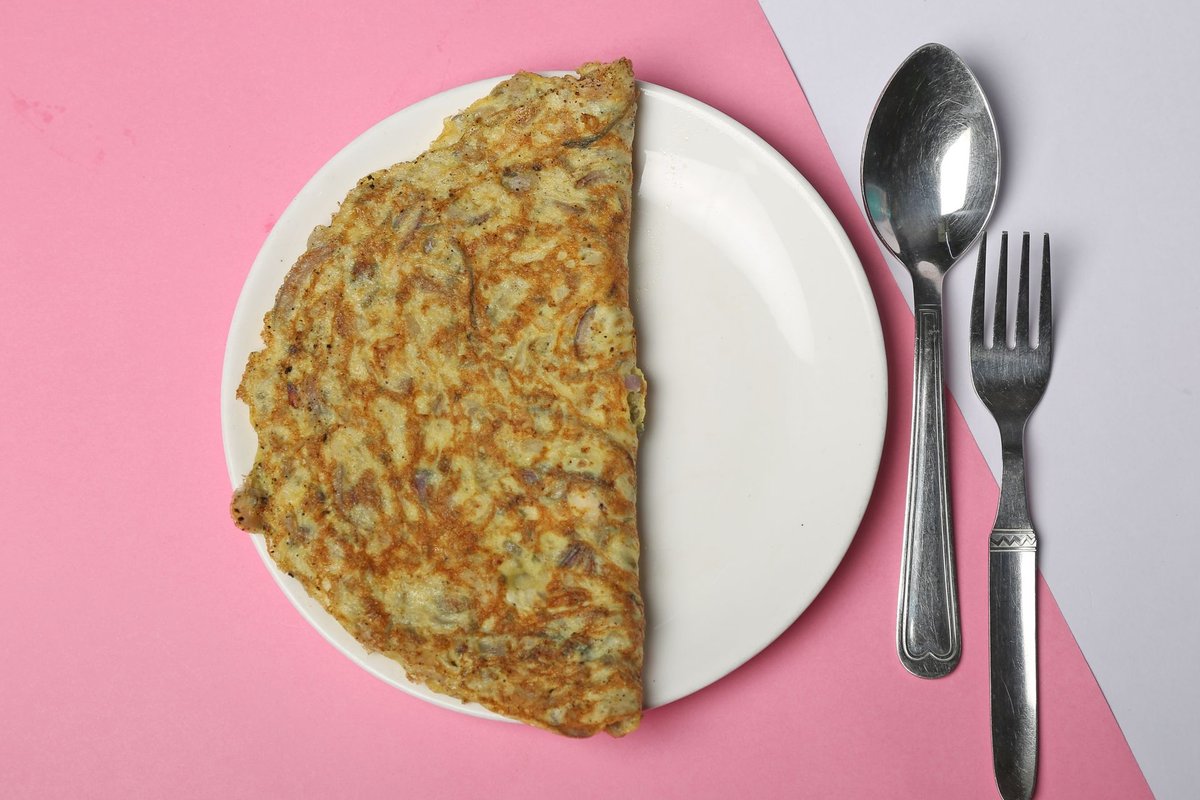
This is the fastest cooked dinner here, and the cooking is done in the microwave. The Nutrition.gov veggie omelet in a mug recipe is published for 1 serving, with 10 minutes of prep and 3 minutes of cooking.
You need (1 serving): 2 eggs; 2 tablespoons low-fat or nonfat milk; 1 pinch of salt; 1 pinch of pepper; finely chopped mushrooms, or another vegetable you have (the page gives no amount, so start with 2 tablespoons); 2 tablespoons cheddar cheese; a 12-ounce microwave-safe mug.
- Lightly grease the inside of the mug.
- Beat the eggs, milk, salt and pepper in the mug with a fork. Mix in the vegetables and cheese.
- Microwave on high for 45 seconds, then stir.
- Microwave on high again until the mixture has puffed and set.
The Nutrition.gov veggie omelet in a mug recipe has you microwave on high for 45 seconds, stir, then cook on high until the mixture has puffed and set, which takes 60 to 90 seconds. The Nutrition.gov veggie omelet in a mug recipe says the omelet may look wet on the top but it will dry as it cools. The FoodSafety.gov safe minimum temperature chart says to cook raw eggs until the yolk and white are firm.
2. A grilled cheese with a vegetable inside
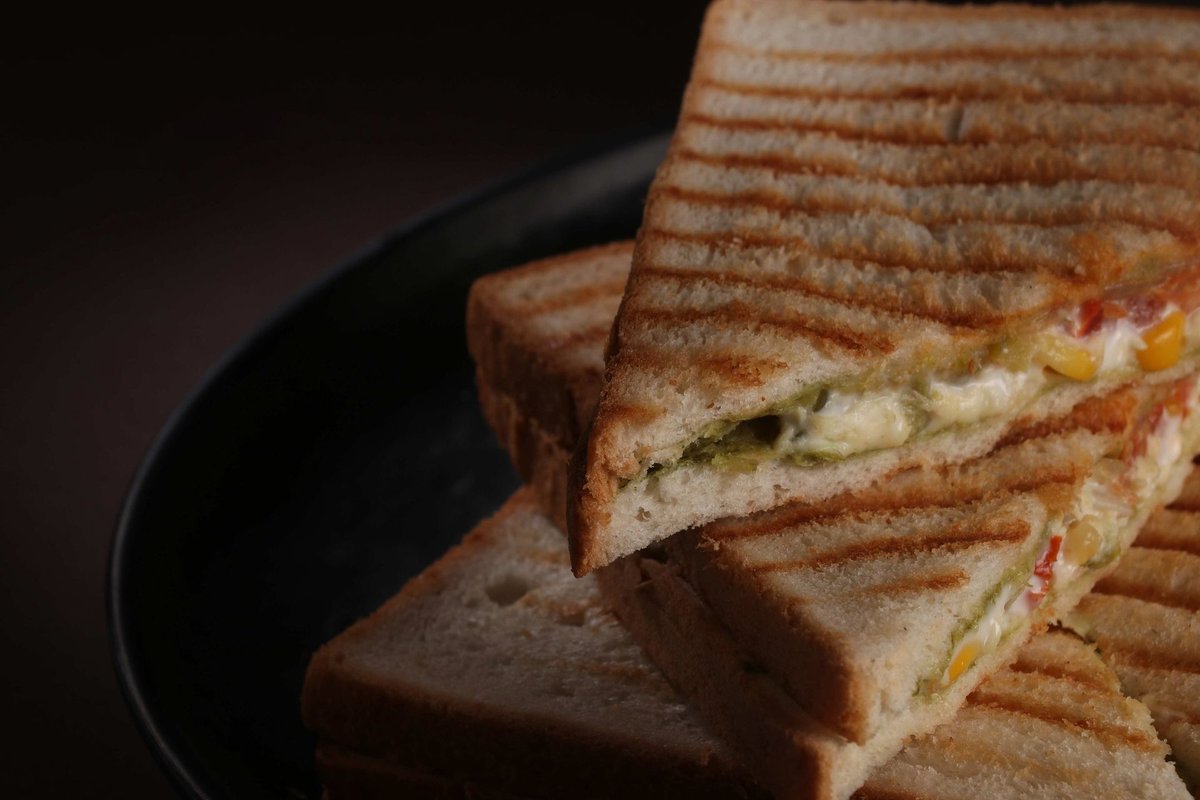
A grilled cheese is one skillet and about 13 minutes. The Nutrition.gov beyond basic grilled cheese recipe is published for 1 sandwich, with 5 minutes of prep and 8 minutes of cooking. Its trick is a handful of cooked vegetables tucked between the cheese layers, so the sandwich is more than bread and cheese.
You need (1 sandwich): 2 slices whole-wheat bread; 1 cup grated cheese, such as Muenster, Monterey Jack or mozzarella; 1/2 cup small pieces of roasted broccoli or cauliflower, or fresh vegetables of your choice; a thin coat of oil or oil spray for the pan. A spoonful of a savory spread is optional.
- Heat the pan over medium heat and coat it thinly with oil or spray.
- Lay one slice of bread in the pan, spread on the savory spread if you use one, and add half the cheese.
- Add the vegetables and cover them with the rest of the cheese, then top with the second slice.
- Grill about 3 minutes on each side, until the bread is browned.
The Nutrition.gov beyond basic grilled cheese recipe grills the sandwich 3 minutes on each side, or until the slices have browned. The Nutrition.gov beyond basic grilled cheese recipe suggests eating it with a side salad, veggie soup, and/or seasonal fruit. Use the leftover roasted vegetables from another night, or a handful of frozen ones.
3. Chicken salad and peach sandwich, halved
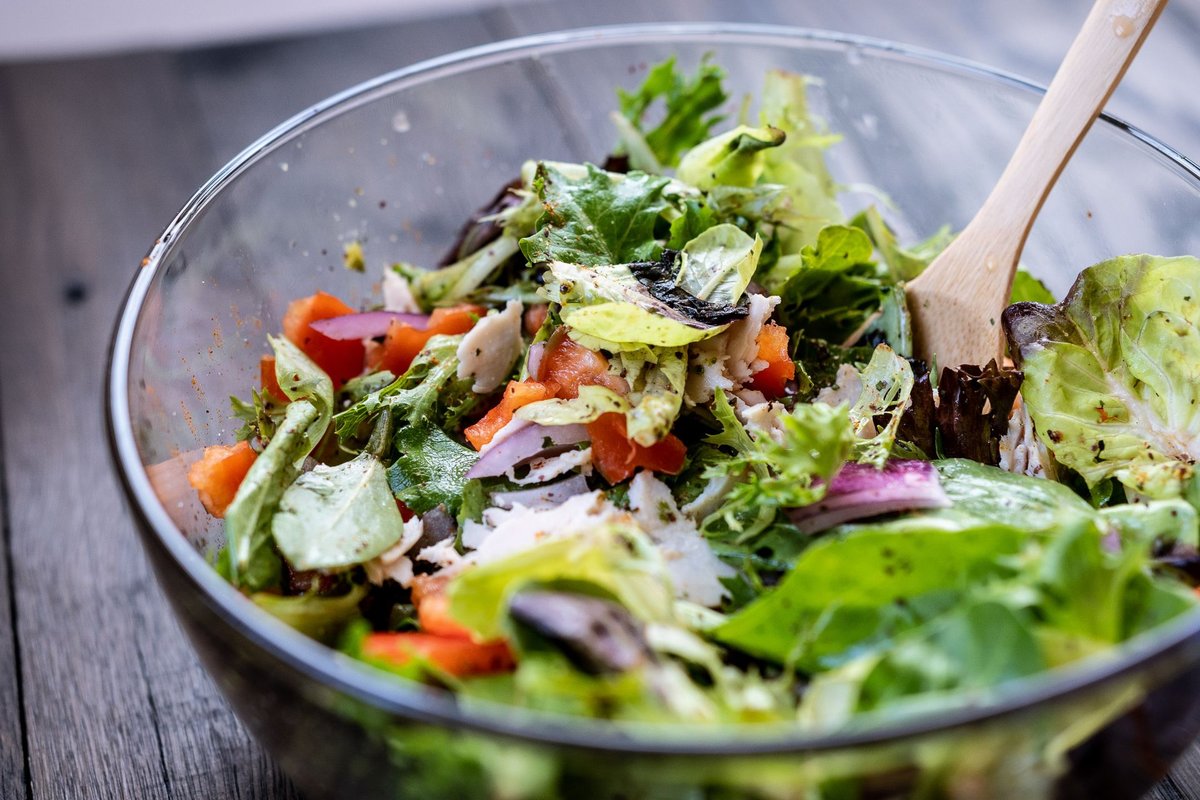
This one needs no stove at all, only a bowl. The Nutrition.gov chicken salad and peach sandwich recipe is published for 2 sandwiches, with 10 minutes of prep. We cut it to one sandwich with half of every amount.
You need (1 sandwich, half of the published recipe): 2 slices whole-wheat bread; 1/4 cup diced cooked chicken; 1/4 cup drained, diced peaches; 1/2 stalk celery, diced; 1/4 cup diced apple; about 1/2 of a small onion, diced; 2 teaspoons nonfat mayonnaise; 1/2 tablespoon chopped walnuts.
The published amounts are 4 slices of bread, 1/2 cup chicken, 1/2 cup peaches, 1 stalk of celery, 1/2 cup apple, 1 small onion, 1 1/2 tablespoons mayonnaise and 1 tablespoon walnuts. Half of 1 1/2 tablespoons is 2 1/4 teaspoons, which we rounded to 2.
- Stir the chicken, apple, peaches, celery, onion, walnuts and mayonnaise together in a small bowl.
- Spoon the mixture onto one slice of bread and top with the other.
If you make the full 2-sandwich amount, the second half of the filling is tomorrow's lunch. The FoodSafety.gov Cold Food Storage Chart lists 3 to 4 days in the refrigerator for chicken, egg, ham, tuna and macaroni salads, and says they do not freeze well. Put the extra in a covered container as soon as you have made it. The FoodSafety.gov 4 Steps to Food Safety page says to rinse fruits and vegetables under running water without soap.
4. An Eagle Nest plate on the side
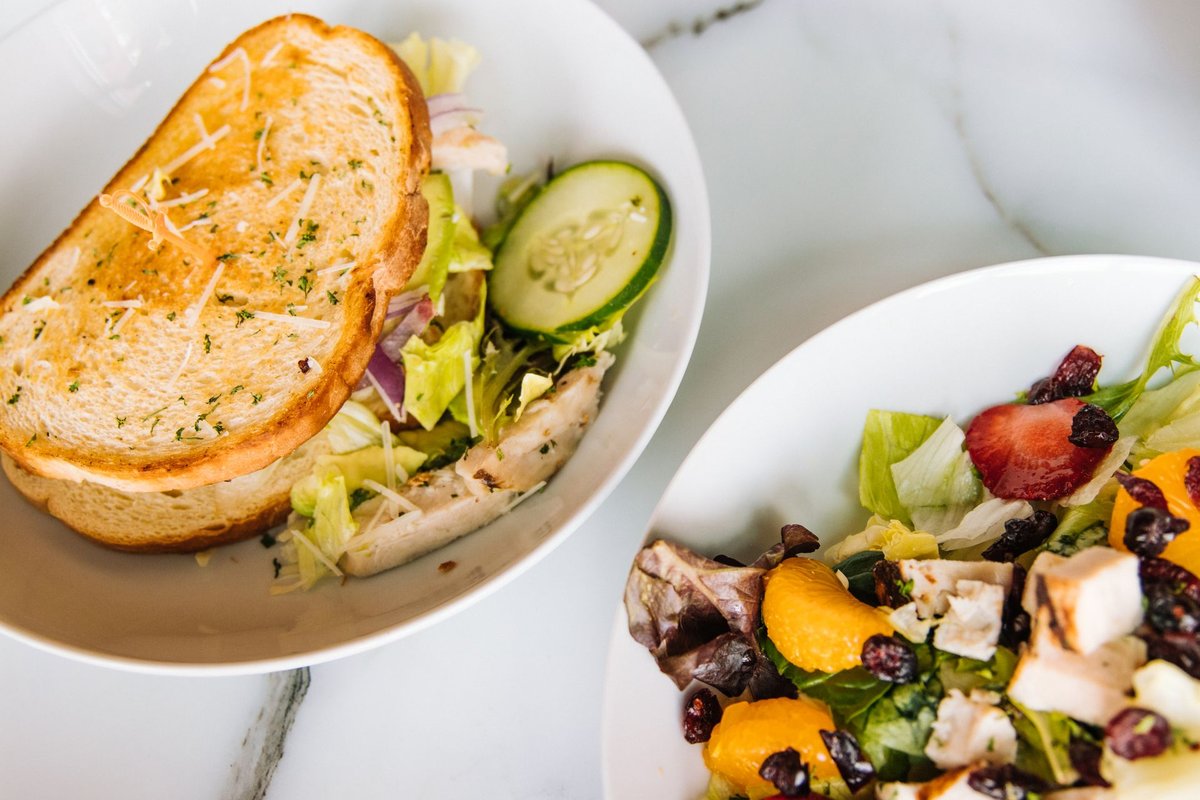
The Nutrition.gov Eagle Nest recipe is listed as a snack, for 1 serving, with 5 minutes of prep. It is a canned peach half with cottage cheese in the middle and raisins on top. We use it as a no-cook fruit side next to a sandwich or an omelet.
You need (1 plate): 2 canned peach halves; 2 tablespoons low-fat cottage cheese; about 6 raisins.
- Put the peach halves cut side up on a plate.
- Put 1 tablespoon of cottage cheese in the center of each half.
- Top the cottage cheese with raisins.
The Nutrition.gov Eagle Nest recipe puts 1 tablespoon of cottage cheese in the center of a peach half and places raisins on top of the cottage cheese.
Put it together: a week of easy nights
- Monday: veggie omelet in a mug. You wash a mug and a fork.
- Tuesday: grilled cheese with vegetables. You wash a skillet.
- Wednesday: chicken salad and peach sandwich. You wash a bowl and a knife.
- Thursday: omelet in a mug with an Eagle Nest plate on the side.
- Friday: grilled cheese with a side salad.
One bag of salad greens, one loaf of whole-wheat bread, a small block of cheese and a carton of eggs cover the week, so you are not buying for a family. If you want to know what to do with the half can of peaches, our guide on using half a can and other extras has a list. When you want eggs to be the whole plan, see breakfast for dinner for one, and for a table of two try our easy dinners for two.
Leftovers and storage for one
The only leftovers here are the second half of the chicken salad filling and any soup you add. The FoodSafety.gov Cold Food Storage Chart gives these times for a refrigerator at 40°F or below and a freezer at 0°F or below.
| Food | Refrigerator | Freezer |
|---|---|---|
| Chicken salad | 3 to 4 days | Does not freeze well |
| Leftover cooked chicken | 3 to 4 days | 2 to 6 months |
| Soups and stews | 3 to 4 days | 2 to 3 months |
The FoodSafety.gov Cold Food Storage Chart lists 3 to 4 days in the refrigerator and 2 to 6 months in the freezer for leftover cooked meat or poultry. The Nutrition.gov veggie omelet in a mug recipe says to refrigerate leftovers within 2 hours. The FoodSafety.gov 4 Steps to Food Safety page says never to leave perishable foods out of refrigeration for more than 2 hours.
Common mistakes to avoid
- Skipping the stir at 45 seconds. The recipe includes it, so do it.
- Pulling the omelet out because the top looks wet. Give it a minute to set as it cools.
- Making the full sandwich filling and forgetting it on the counter. Cover it and refrigerate it right away.
- Buying a whole bag of one vegetable for one sandwich. Pick vegetables you will also eat in the omelet.
- Skipping dinner because the plan feels like work. Any one of these is enough.
Your next step
Pick one dinner for tonight and write the other three on a note on the fridge. Buy eggs, bread, a small block of cheese and a bag of salad greens, and you have four dinners for one in the house. Check each original recipe and your own dietary needs before you cook; this page is general information, not medical advice. More small-table dinners are in Dinners for One or Two.
Sources
- www.foodsafety.gov/keep-food-safe/4-steps-to-food-safety
- www.nutrition.gov/recipes/veggie-omelet-mug
- www.foodsafety.gov/food-safety-charts/safe-minimum-internal-temperatures
- www.nutrition.gov/recipes/beyond-basic-grilled-cheese
- www.nutrition.gov/recipes/chicken-salad-and-peach-sandwich
- www.foodsafety.gov/food-safety-charts/cold-food-storage-charts
- www.nutrition.gov/recipes/eagle-nest