Healthy Meals for One Person on a Budget
By Small Table Kitchen · Updated 2026-11-16
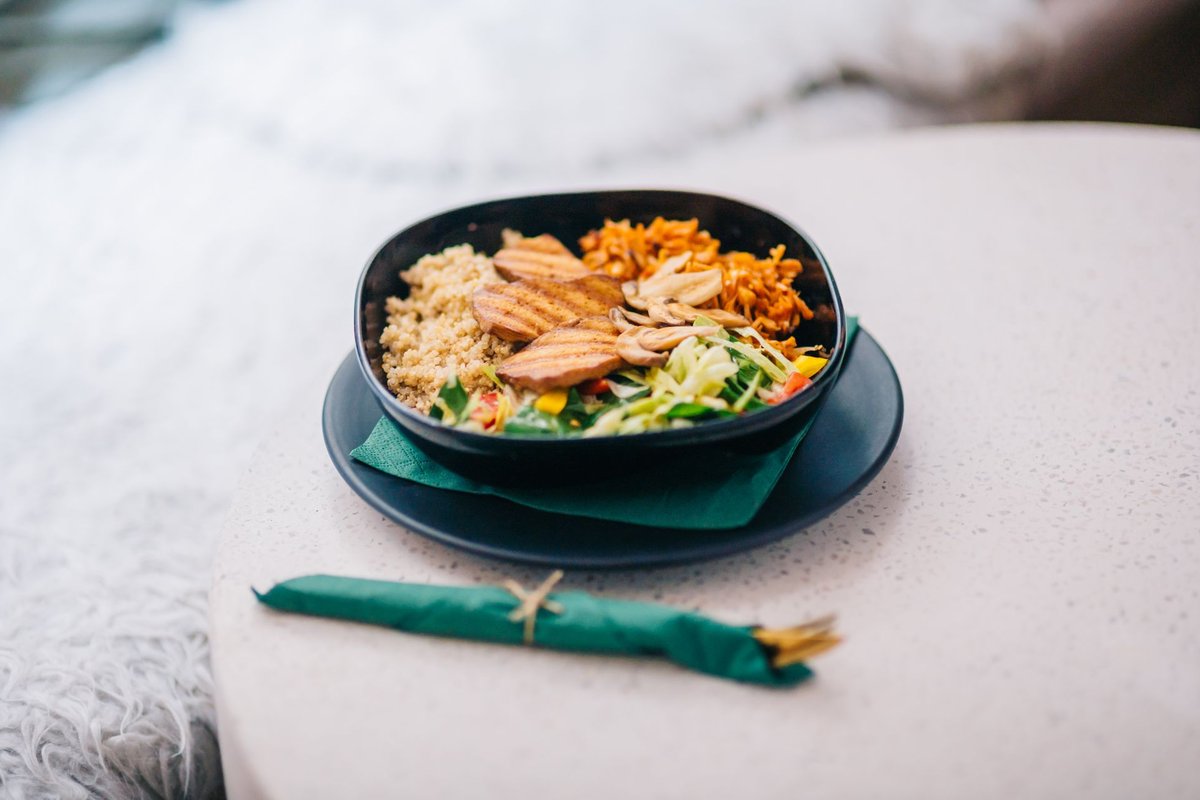
Cooking for one person on one grocery budget is a different problem from cooking for a family. The recipes are too big, the packages are too big, and the cheapest food in the cart is the food you throw away. This guide is about eating well from a small kitchen without waste: how to plan a week around what you already own, one smoothie that is written for two glasses so nothing is left over, and the storage times that tell you how long a cooked dish stays good.
The hidden cost is the food you throw away
On a fixed income, the grocery bill is only half the picture. Half a head of cabbage that goes soft, a loaf that goes stale and a container of leftovers pushed to the back of the shelf all cost money, and none of them put a meal on the table. So this page does not start with recipes. It starts with a plan, because a plan decides what you buy.
This page is general information, not medical advice, and it makes no health claims about any food. Ask your doctor or dietitian what fits you.
Step 1: Shop your kitchen first
The EPA Smart Shopping flyer says to think about how many meals you will eat at home this week and how long it is before your next shopping trip. The EPA Smart Shopping flyer also says to shop your kitchen first and note the items you already have.
For one person this is the whole game. Before you write a list, open the refrigerator, the freezer and the pantry and write down what is there. Then count the dinners you will really eat at home this week. Most weeks that number is lower than you think, because of leftovers, lunches out and a night with a neighbor.
Step 2: Plan a week with room in it
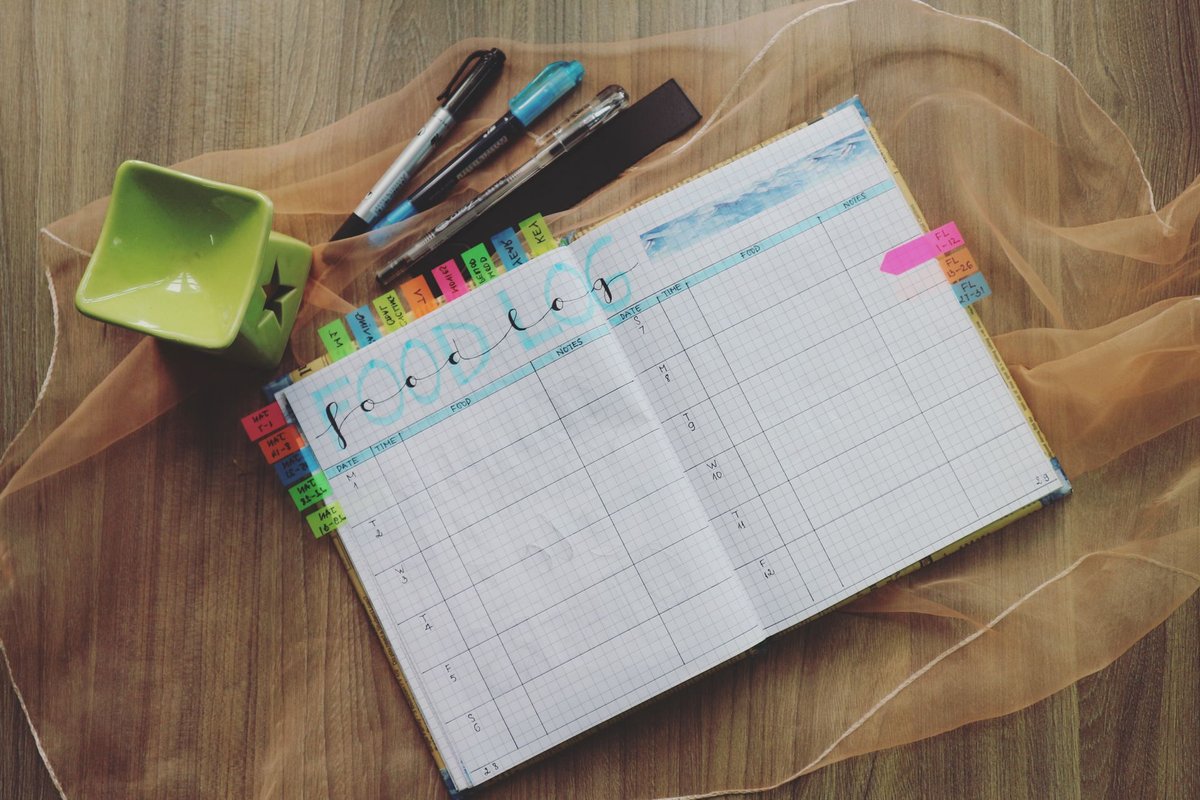
The US Department of Veterans Affairs weekly meal planner has columns for items on hand, the day, the dinner and items needed. The sample week in the US Department of Veterans Affairs weekly meal planner lists frozen ground beef, salmon, chicken breast and pork chops as items on hand for its first four dinners. The sample week in the US Department of Veterans Affairs weekly meal planner lists leftovers with a green salad for Thursday. The sample week in the US Department of Veterans Affairs weekly meal planner shows Saturday as a dinner out with friends.
Copy that shape. A week for one person has seven dinners on paper but only four or five that need cooking. Here is a sample week built from the guides on this site, with the amounts in each guide.
| Night | Dinner | Where to find it |
|---|---|---|
| Monday | Veggie omelet in a mug | Easy dinner for one |
| Tuesday | Cabbage with onion and a side of your choice | Meals for two on a budget |
| Wednesday | Leftovers from Tuesday | Your refrigerator |
| Thursday | Broccoli frittata wedge with fruit | Meal prep for one |
| Friday | Grilled cheese with broccoli | Easy dinner for one |
| Weekend | One night out or a soup from the freezer | Soups that freeze |
A smoothie made once, drunk twice
This is the one recipe we give in full here, because it is written for two glasses and solves the one-person problem by itself. The Nutrition.gov avocado melon breakfast smoothie recipe makes 2 servings, with 5 minutes of prep. We did not cut it down. You drink one glass now and keep the other.

You need (2 servings): 1 large ripe avocado; 1 cup honeydew melon chunks (about 1 slice); 1 1/2 teaspoons lime juice; 1 cup fat-free milk; 1 cup fat-free plain yogurt; 1/2 cup 100% apple juice; 1 tablespoon honey.
- Cut the avocado in half, take out the pit and scoop the flesh into a blender.
- Add the melon, lime juice, milk, yogurt, apple juice and honey.
- Blend well and serve cold.
- Pour the second glass into a covered container and put it in the refrigerator.
The Nutrition.gov avocado melon smoothie recipe says it keeps well in the refrigerator for up to 24 hours, and that a smoothie made ahead should be stirred gently before pouring. So the second glass is tomorrow's breakfast, not tomorrow's trash.
Cook once, eat twice
The same idea works for dinner. Cook a dish that makes two portions, eat one, and decide the fate of the other before you sit down. The USDA Food Safety and Inspection Service Leftovers and Food Safety page says leftovers can be kept in the refrigerator for 3 to 4 days or frozen for 3 to 4 months. The USDA Food Safety and Inspection Service Freezing and Food Safety page says to freeze items you will not use quickly sooner rather than later.
The FoodSafety.gov Cold Food Storage Chart gives its refrigerator times for a refrigerator at 40°F or below and its freezer times for a freezer at 0°F or below. These are the rows a one-person kitchen uses most.
| Food | Refrigerator | Freezer |
|---|---|---|
| Cooked meat or poultry | 3 to 4 days | 2 to 6 months |
| Casseroles with eggs, after baking | 3 to 4 days | 2 to 3 months |
| Egg, chicken, ham, tuna or macaroni salad | 3 to 4 days | Does not freeze well |
| Hard-cooked eggs | 1 week | Do not freeze |
The FoodSafety.gov Cold Food Storage Chart lists 3 to 4 days in the refrigerator and 2 to 6 months in the freezer for cooked meat or poultry leftovers. According to the FoodSafety.gov Cold Food Storage Chart, casseroles with eggs keep 3 to 4 days in the refrigerator and 2 to 3 months in the freezer after baking. The FoodSafety.gov Cold Food Storage Chart lists 3 to 4 days in the refrigerator for egg, chicken, ham, tuna and macaroni salads and says they do not freeze well. The FoodSafety.gov Cold Food Storage Chart lists 1 week in the refrigerator for hard-cooked eggs and says not to freeze them.
Let the freezer and the pantry carry the week
A one-person budget works best when most of the food keeps. A bag of frozen mixed vegetables lets you cook a small handful instead of a whole head of something. A dry food such as oats, rice or beans waits on the shelf until you want it. For a full list of what to keep and how long each item lasts, see our pantry list for cooking for one.
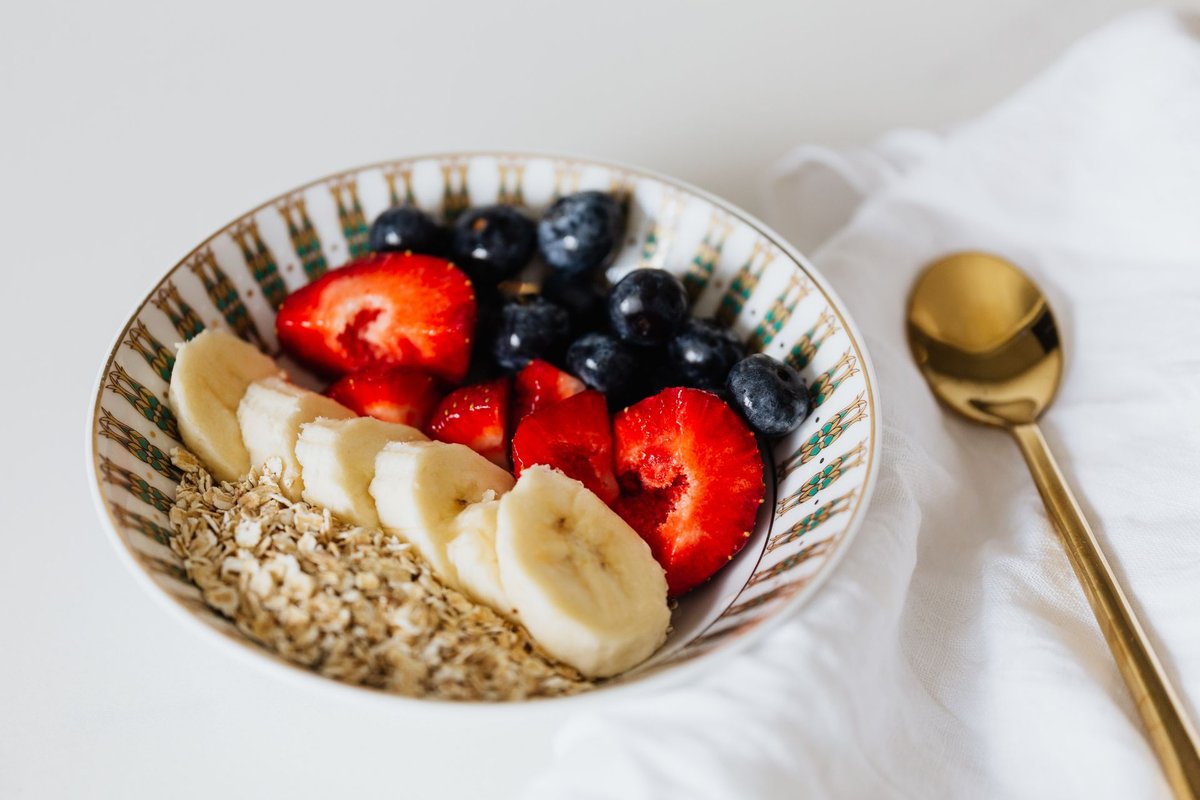
Breakfast can come from the same shelves: a bowl of oats with a few slices of fruit, fresh or thawed from a bag in the freezer, uses a small amount of each and leaves nothing to spoil.
Common mistakes to avoid
- Shopping from a recipe instead of a plan. Write the week first, then the list.
- Buying the family pack because the unit looks like a bargain. A bargain you throw away is not one.
- Planning seven cooked dinners. Plan five and leave a night for leftovers and a night for anything.
- Leaving the extra portion in the pot. Put it in a covered container and label it with the day.
- Forgetting the freezer. If you will not eat it in 3 to 4 days, freeze it on day two.
Your next step
Take one sheet of paper, write the next seven days down the side, and cross out two dinners: one for leftovers and one for whatever comes up. Then open the refrigerator and write what you already have next to the days that remain. For more ideas, see freezer meals for one and Planning, Freezer and Pantry.
Sources
- www.epa.gov/sites/production/files/2016-02/documents/smart_shopping_ftgtw_2_1_2016_pubnumberadded_508_v2.pdf
- www.va.gov/files/2023-10/Weekly%20Meal%20Planner%20Grocery%20List%20and%20Recipes.pdf
- www.nutrition.gov/recipes/avocado-melon-breakfast-smoothie
- www.fsis.usda.gov/food-safety/safe-food-handling-and-preparation/food-safety-basics/leftovers-and-food-safety
- www.fsis.usda.gov/food-safety/safe-food-handling-and-preparation/food-safety-basics/freezing-and-food-safety
- www.foodsafety.gov/food-safety-charts/cold-food-storage-charts