Small Batch Desserts for Two: Treats Without a Whole Cake
By Small Table Kitchen · Updated 2026-11-16
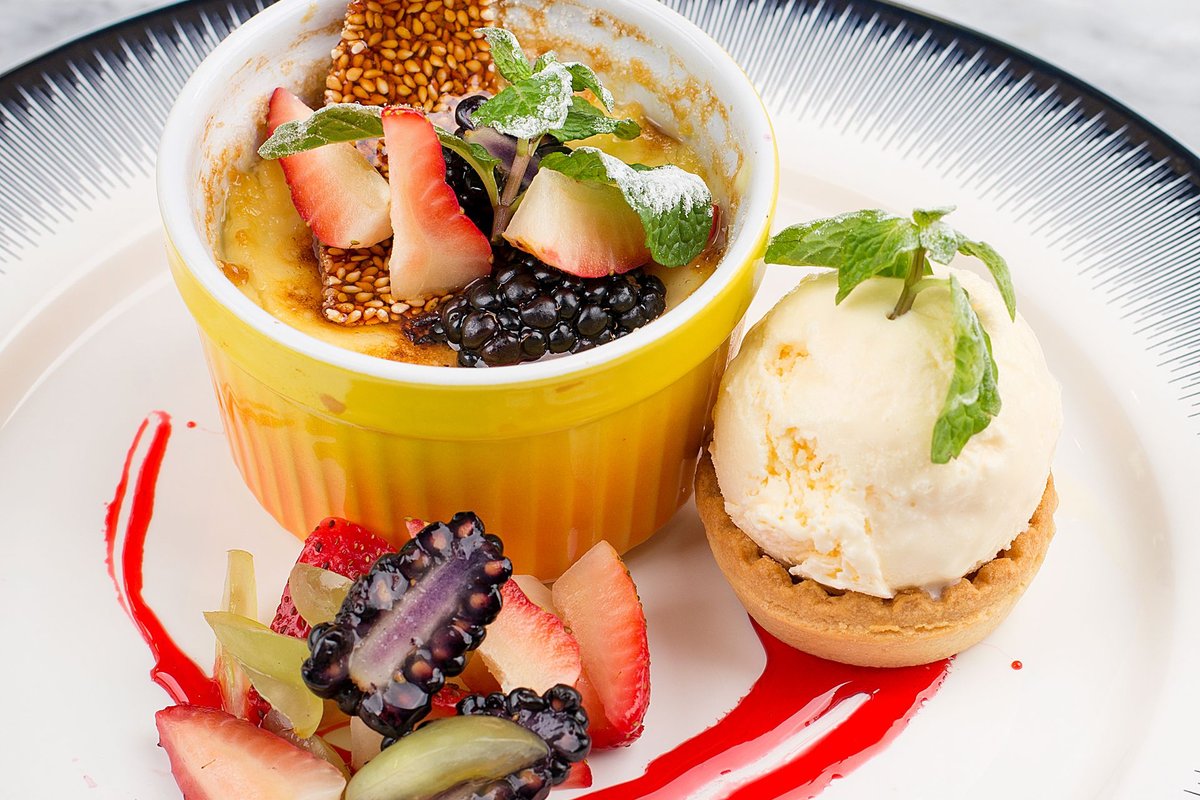
A cake serves twelve and a pan of brownies serves sixteen, but on a small table you want two spoons and a small bowl. By day three the rest of the cake is dry, and by day five it is in the trash. This guide shows how to think about dessert for one or two people: how to cut a recipe down, one frozen treat written for two, where to find a no-cook pudding and a fruit cobbler sized for a couple, and how long each kind of dessert keeps.
Why dessert is the hardest recipe to cut down
Dinner is forgiving. If you use a little more broth or a little less onion, nobody notices. Baking is different, because the amounts of flour, eggs and sugar hold the dessert together. That is why the safest small-batch desserts are the ones that need no baking at all: fruit, yogurt, bread and a freezer do most of the work.
We have not made the desserts below in our own kitchen. Each recipe comes from a US government recipe page, and the amounts shown here are the published amounts cut down for two, with the arithmetic written out so you can check it.
Four rules for a small batch
- Cut in halves. A recipe for 4 becomes a recipe for 2 by halving every amount. A recipe for 8 needs a quarter. Our cheat sheet for cutting a recipe down to two servings has the full chart.
- Use a smaller dish. Half the batter in the same large pan spreads thin and dries out. Choose a dish that the smaller amount fills.
- Check early. A smaller portion usually needs less time, so look a few minutes before the original time instead of waiting for it.
- Decide the plan for the extra first. If a dessert makes two portions and you eat one tonight, the second portion needs a place: the refrigerator for a few days, or the freezer.
Frozen pineapple fruit pops for two
This is the easiest small-batch dessert, because the freezer keeps what you do not eat. The Nutrition.gov pineapple frozen fruit pops recipe makes 4 fruit pops in paper cups, from crushed pineapple, low-fat fruit-flavored yogurt and thawed orange juice concentrate. We halved it, so you make 2 pops and keep the paper cups you do not use.
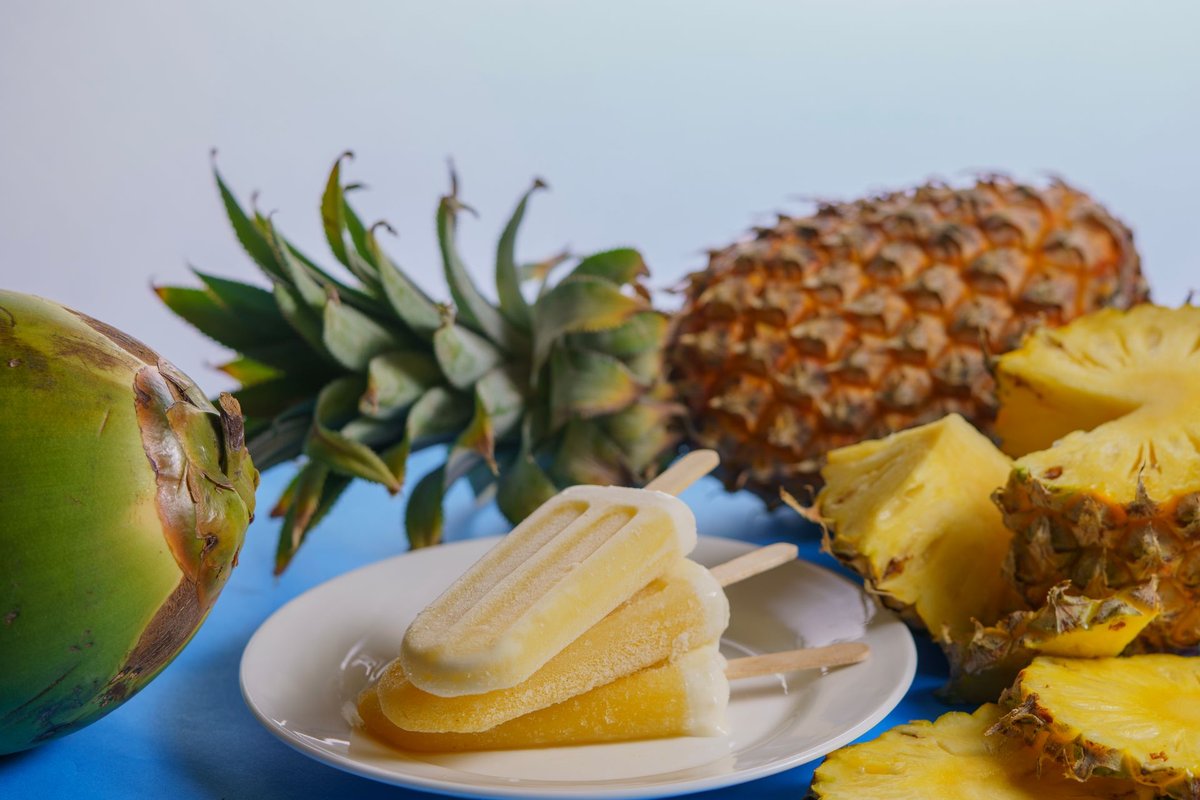
You need (2 pops): 1/2 cup crushed pineapple; 1/2 cup low-fat fruit-flavored yogurt; 3 ounces (6 tablespoons) thawed frozen orange juice concentrate; 2 paper cups; 2 wooden sticks.
The published amounts for 4 pops are 1 cup of pineapple, 1 cup of yogurt and 6 ounces of juice concentrate. Half of each gives the amounts above.
- Stir the pineapple, yogurt and juice concentrate together in a bowl.
- Divide the mix between the two paper cups.
- Freeze until slushy, then push a stick halfway down through the center of each pop.
- Freeze until hard, then tear the paper cup away before you eat the pop.
The Nutrition.gov pineapple fruit pops recipe freezes the mix until slushy, about 60 minutes, before the sticks go in, then freezes the pops until hard, at least 4 hours.
The Nutrition.gov pineapple fruit pops notes say you can freeze the mix in an ice cube tray instead of cups and that other fruits or juice concentrates can be tried. An ice cube tray is a good choice when you want a single small bite at a time.
Two more desserts sized for two
We keep each recipe in one guide only, so here is where to find two more small desserts.
- A no-cook berry bread pudding. It is layered in a small dish with berries and bread, pressed down and left in the refrigerator overnight, so there is no oven to heat. The steps and amounts are in easy recipes for seniors to make.
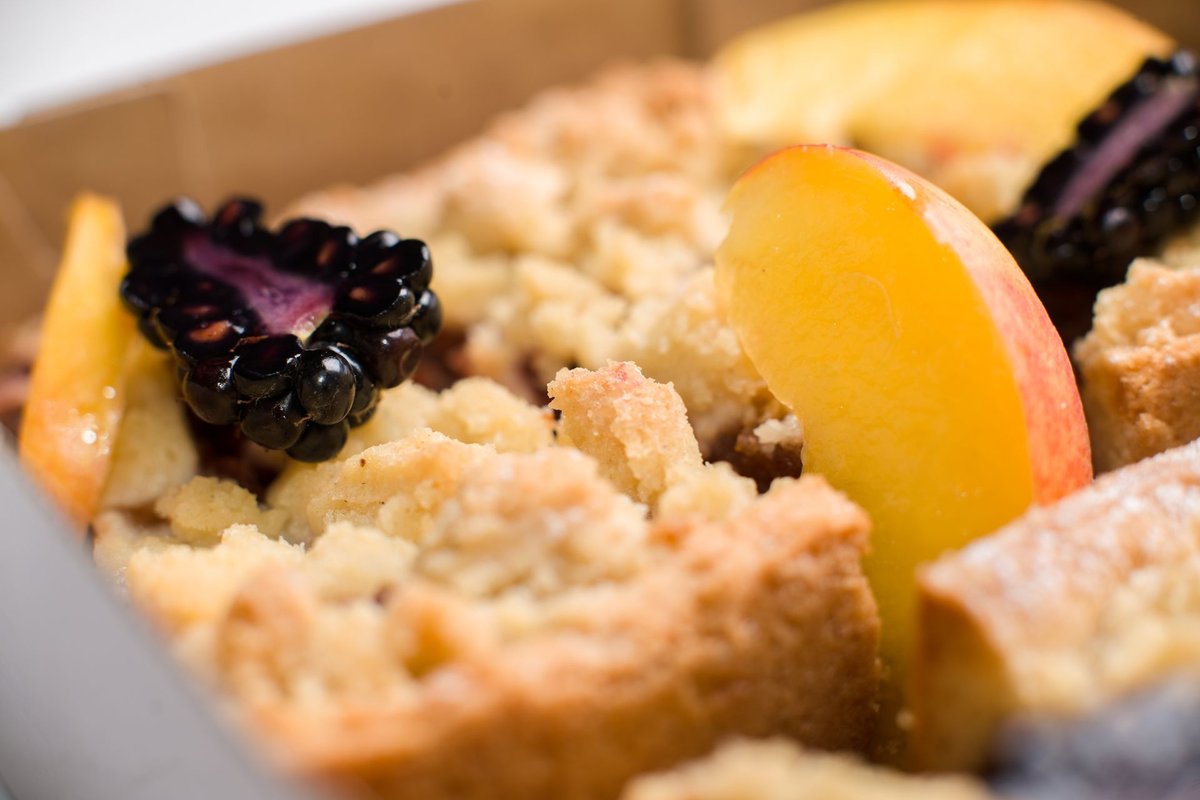
- A microwave fruit cobbler. It uses canned peaches and pears with granola on top and is the kind of recipe that uses up half a can. Look for it in what to do with half a can and other extras.
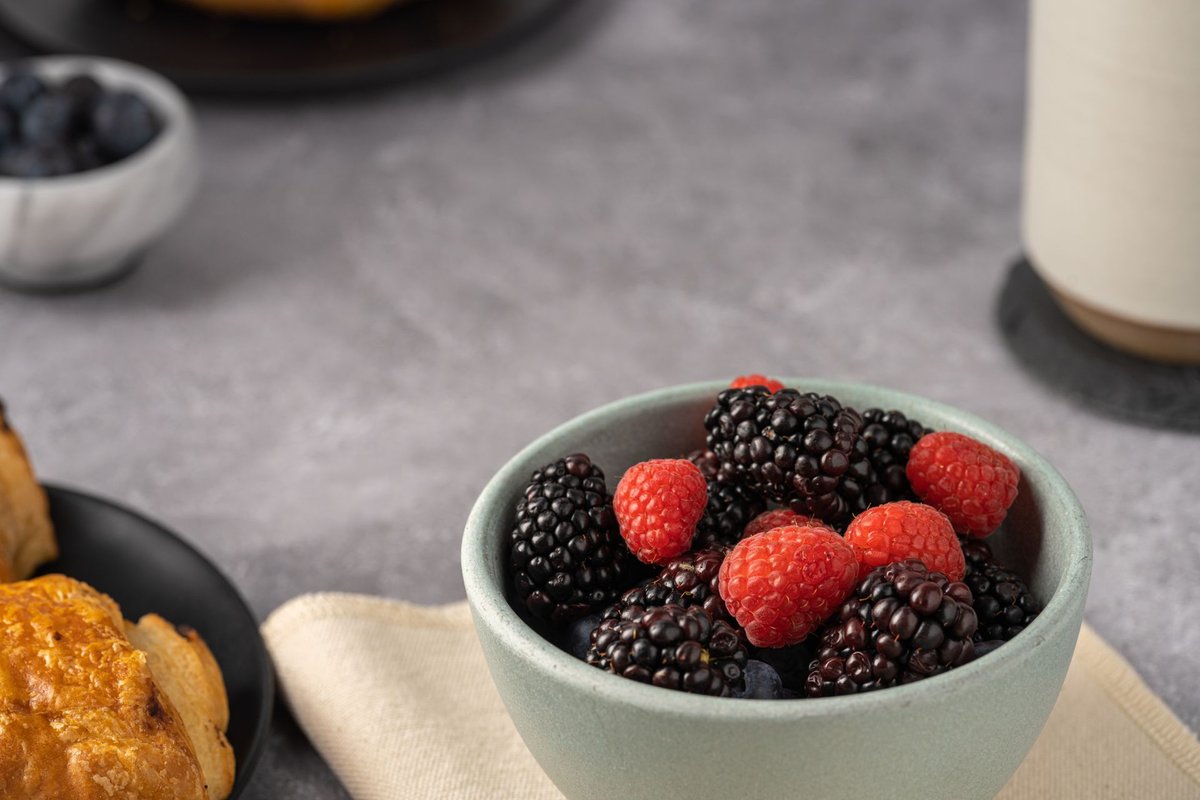
Plain berries in a bowl are a dessert too. Most berries are sold in packs larger than one person eats, so freeze the rest in a single layer and use them in the pudding, over yogurt or in a cobbler.
How long a dessert keeps
A dessert that you cannot finish is only a problem if you do not know how long it keeps. The FoodSafety.gov Cold Food Storage Chart gives its refrigerator times for a refrigerator at 40°F or below and its freezer times for a freezer at 0°F or below. These are the rows that matter for desserts.
| Dessert or ingredient | Refrigerator | Freezer |
|---|---|---|
| Pumpkin or pecan pie, after baking | 3 to 4 days | 1 to 2 months |
| Custard or chiffon pie, after baking | 3 to 4 days | Do not freeze |
| Raw egg whites or yolks | 2 to 4 days | 12 months |
| Raw eggs in the shell | 3 to 5 weeks | Do not freeze in the shell |
The FoodSafety.gov Cold Food Storage Chart gives 3 to 4 days in the refrigerator and 1 to 2 months in the freezer for pumpkin or pecan pies after baking. The FoodSafety.gov Cold Food Storage Chart gives 3 to 4 days in the refrigerator for custard and chiffon pies after baking, and says not to freeze them. The FoodSafety.gov Cold Food Storage Chart gives 2 to 4 days in the refrigerator and 12 months in the freezer for raw egg whites and yolks, with a note that yolks do not freeze well. The FoodSafety.gov Cold Food Storage Chart gives 3 to 5 weeks in the refrigerator for raw eggs in the shell and says not to freeze them in the shell.
The FoodSafety.gov Cold Food Storage Chart says its freezer guidelines are for quality only, and that frozen foods kept continuously at 0°F or below can be kept indefinitely. For your pops that means the 4 hours is the minimum, not a deadline.
The half-an-egg problem
Many small-batch recipes ask for half an egg, and nobody wants to measure half an egg. The simple answer is to beat the whole egg in a cup and pour in about half. The table above tells you what to do with the other half: cover it, keep it in the refrigerator and use it within the 2 to 4 days the chart gives for raw egg whites and yolks. You can also keep it for scrambled eggs the next morning.
When a dessert is made with eggs, cook it through. The FoodSafety.gov safe minimum temperature chart gives 160°F for egg dishes such as frittata and quiche, and says to cook raw eggs until the yolk and white are firm. A food thermometer is the way to check.
After dinner, before the dishes
The last food-safety step comes while the kitchen is still warm. The FoodSafety.gov 4 Steps to Food Safety page says to refrigerate perishable foods within 2 hours, or within 1 hour when it is above 90°F. Put the extra portion in a covered container before you sit down with the first one, and write the date on a piece of tape. A dessert with a date on it gets eaten; one without a date gets thrown out.
Common mistakes to avoid
- Baking half a batter in a full-size pan. Use a smaller dish.
- Waiting for the original baking time. Check a few minutes early.
- Storing a custard or chiffon pie in the freezer. The chart above says not to freeze them.
- Leaving the second portion on the counter while you eat the first. Refrigerate it within the 2 hours the 4 Steps page gives.
- Throwing out half an egg. Beat the egg, use half and refrigerate the rest.
Your next step
Choose one dessert from this page and write it on your shopping list: the pineapple pops, the no-cook bread pudding or the fruit cobbler. Buy one small can of pineapple or one pack of berries, and make a dessert that is gone by the weekend. For other small treats, our small batch cookies and brownies for two guide has more, and the full set of holiday and treat guides is in Treats, Holidays and Summer. This page is general information, not medical advice; check the original recipes and your own dietary needs before you cook.