Summer Meals for Two: No-Oven Dinners
By Small Table Kitchen · Updated 2026-11-16
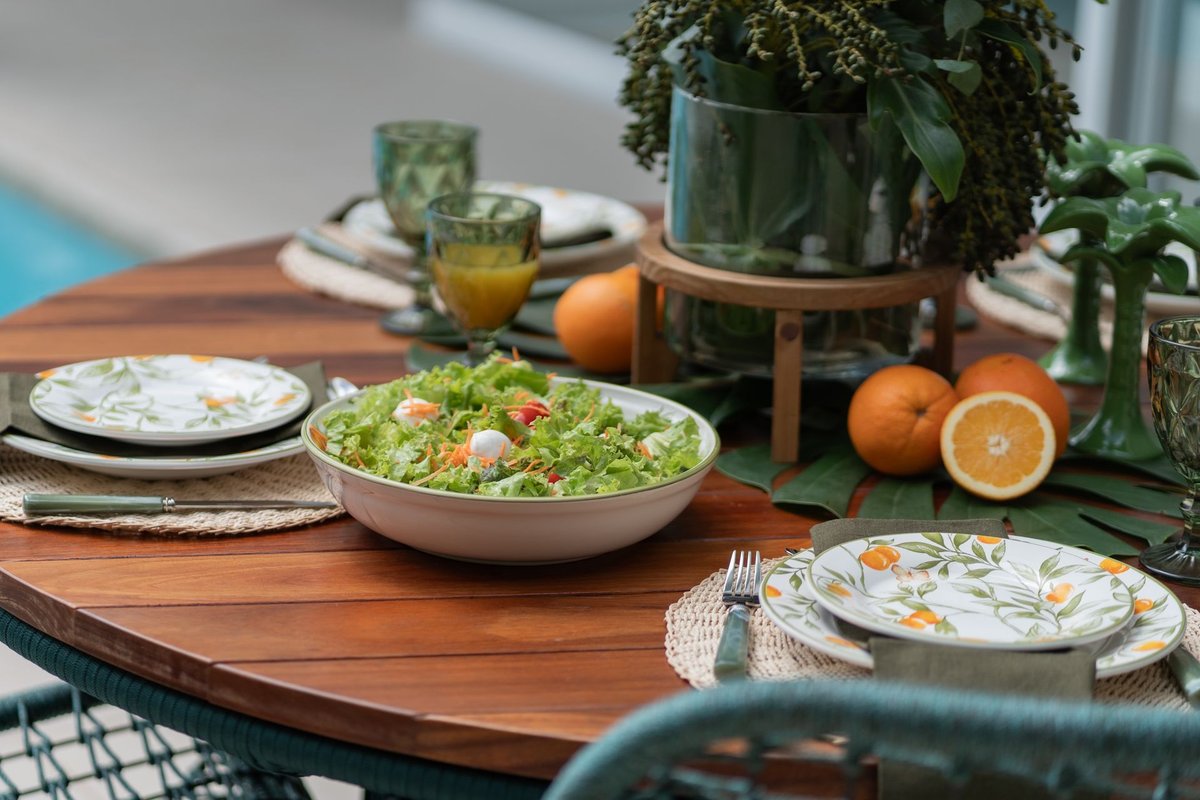
When the kitchen is hot and your appetite is small, the last thing you want is a 400°F oven and a recipe that feeds six. Summer dinners for two can be cold, quick or cooked on one burner, and most of them can be made ahead in the cool of the morning. This guide gives you two recipes written out for a small table, a five-night plan that links to dinners we already have, and the summer food-safety times that tell you how long a dish can sit out.
The two recipes come from US government recipe pages, linked in the sources at the bottom, and the safety times come from federal food-safety pages named along the way. The scaling and the plan are ours. We have not cooked these dishes in our own kitchen, so taste as you go and check each original page.
What counts as no-oven
This plan keeps the oven off. These are the heat sources it uses, from none to the most.
- None: chopped salads, dips and sauces made in a bowl or a small food processor.
- Toaster or microwave: toast with fruit, eggs and beans in a bowl.
- One burner or a grill: boiling pasta early in the day, or cooking chicken or fish outdoors.
Fresh mango salsa for two
This is the easiest dish on the page: a bowl, a knife and no heat. The Nutrition.gov fresh mango salsa recipe is published for 8 servings with 10 minutes of prep. We use half of every amount, which should give about 4 small servings, two for tonight and two for the next day.
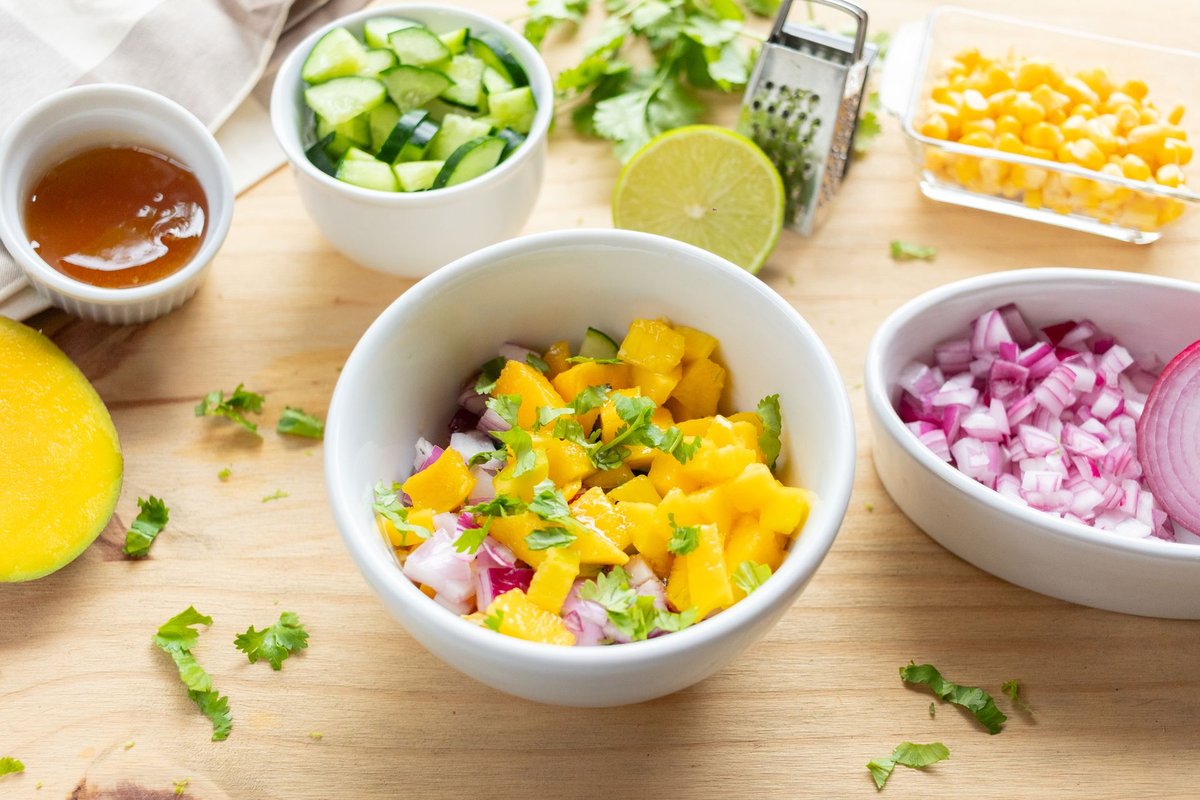
The Nutrition.gov fresh mango salsa recipe lists 1 medium mango or 1 cup of thawed frozen chunks, 1 tablespoon of diced red onion, 1 tablespoon of cilantro (optional), 1/4 teaspoon of salt and 2 tablespoons of lime juice.
You need (half batch): 1/2 medium mango, peeled, pitted and diced, or 1/2 cup thawed frozen mango chunks; 1 1/2 teaspoons diced red onion; 1 1/2 teaspoons chopped cilantro (optional); 1/8 teaspoon salt; 1 tablespoon lime juice; baked tortilla chips.
- Put the mango, onion, cilantro, salt and lime juice in a bowl.
- Stir and serve with the chips.
The Nutrition.gov fresh mango salsa recipe says to combine all the ingredients in a bowl and serve them with baked tortilla chips. For a full dinner, put the salsa beside the black bean quesadillas in our easy dinners for two guide, which are made in a skillet.
Chimichurri for two: one sauce, three dinners
Chimichurri is a green herb sauce with no cooking in it, and it turns plain grilled chicken, fish or vegetables into a plate. The Nutrition.gov Argentinian chimichurri sauce recipe is published for 12 servings. That is far more than two people use, so we take one quarter, about 3 servings.
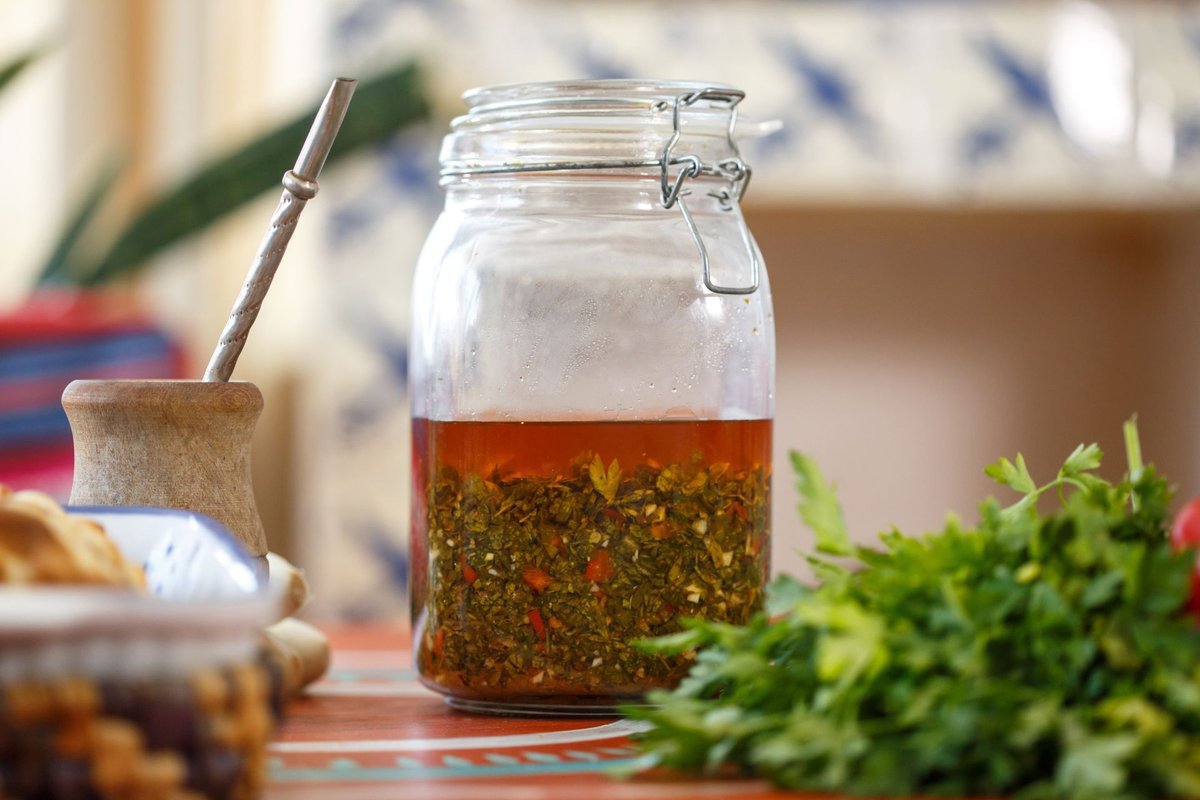
The Nutrition.gov Argentinian chimichurri sauce recipe lists 1 cup of parsley, 4 cloves of garlic, 1/2 cup of olive oil and 3/4 cup of vinegar, with salt, pepper, red pepper flakes, oregano, green onion, lemon juice and water.
You need (one quarter, about 3 servings): 1/4 cup lightly packed chopped parsley, without the stalks; 1 clove garlic, minced; a tiny pinch of salt; a pinch of freshly ground pepper; 1/8 teaspoon red pepper flakes; 3/4 teaspoon dried oregano; 1/2 tablespoon (1 1/2 teaspoons) minced green onion; 2 tablespoons olive oil; 3 tablespoons vinegar; 2 1/4 teaspoons lemon juice; 1 tablespoon water.
- Put everything in a small food processor, or chop the herbs and garlic by hand and stir everything together.
- Pulse until the herbs are well chopped but not a smooth puree.
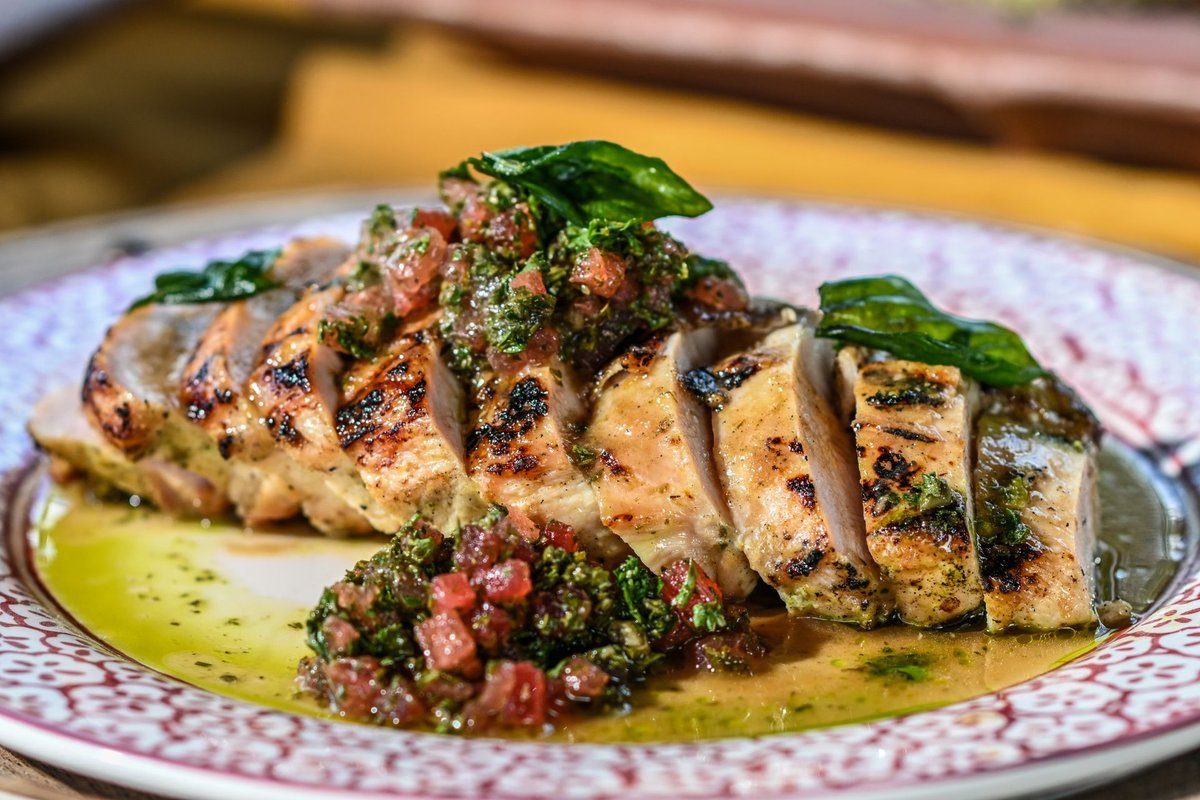
- Spoon over grilled chicken, fish or vegetables.
The Nutrition.gov Argentinian chimichurri sauce recipe says to pulse all the ingredients in a blender or food processor until well chopped but not pureed. The Nutrition.gov Argentinian chimichurri sauce recipe says to spoon the sauce over grilled meats, poultry, seafood or vegetables, and that it can also be used as a marinade.
Cook the meat to a safe temperature
The FoodSafety.gov safe minimum temperature chart lists 165°F for poultry. The FoodSafety.gov safe minimum temperature chart lists 145°F for fish, or cooking until the flesh is no longer translucent and separates easily with a fork. If you use the sauce as a marinade, the FoodSafety.gov 4 Steps to Food Safety page says the safest way to marinate meat, poultry and seafood is in the refrigerator, never on the counter.
A five-night no-oven plan for two
Each of these dinners has its own guide, so the steps are there and not repeated here. The table shows the heat each one needs.
| Night | Dinner | Heat |
|---|---|---|
| 1 | Grilled chicken or fish with chimichurri | Grill |
| 2 | Big salad with hummus | None |
| 3 | White bean and egg shakshuka bowls | Microwave |
| 4 | Pasta salad with mango salsa and chips | One pot, early |
| 5 | Fruit pops for dessert, with any of the above | None |
- Night 2: The Nutrition.gov 5 A Day salad recipe is published for 4 servings with 20 minutes of prep. It is in our heart healthy recipes for two guide. The Nutrition.gov homemade hummus recipe lists 20 minutes of prep and says to mash or blend the chickpeas. Our meal prep for one guide has it.
- Night 3: The Nutrition.gov white bean and egg shakshuka recipe is cooked in a microwave-safe bowl and lists 10 minutes in total. It is in our easy dinners for two guide.
- Night 4: The Nutrition.gov tangy crisp vegetable and pasta salad recipe says to refrigerate it overnight and serve it cold. Our half a can guide has it, so you can make it the day before.
- Night 5: The Nutrition.gov pineapple frozen fruit pops recipe says to freeze them until hard, or at least 4 hours. Our small batch desserts for two guide has the amounts for two.
Keeping cold food cold
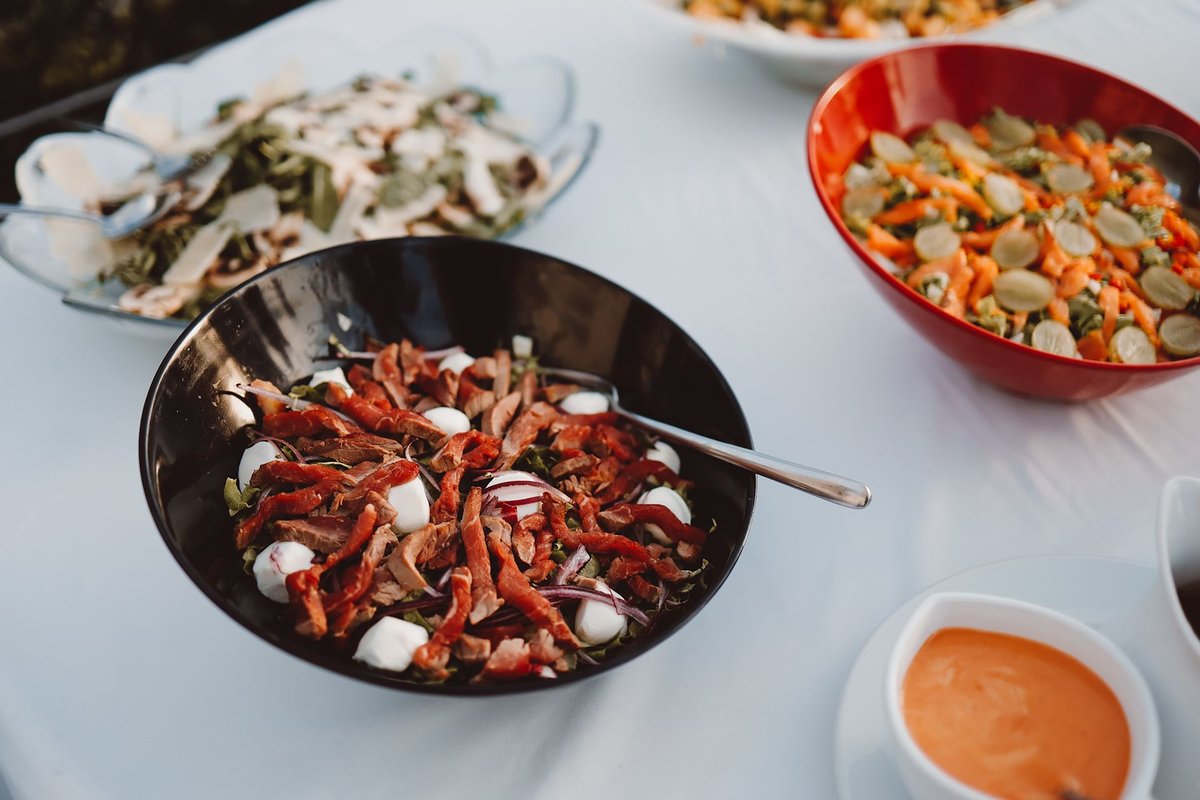
Cold dishes make summer easy, but warm weather shortens the time they can sit out. The FoodSafety.gov 4 Steps to Food Safety page says never to leave perishable foods out of refrigeration for more than 2 hours. The FoodSafety.gov 4 Steps to Food Safety page says that if the food is exposed to temperatures above 90°F, such as a summer picnic, it should be refrigerated within 1 hour.
Wash the produce for these dishes too. The FoodSafety.gov 4 Steps to Food Safety page says to rinse fruits and vegetables under running water without soap, bleach or produce washes. The FoodSafety.gov 4 Steps to Food Safety page says to scrub firm produce like melons or cucumbers with a clean produce brush.
| Food | Refrigerator | Freezer |
|---|---|---|
| Egg, chicken, ham, tuna and macaroni salads | 3 to 4 days | Does not freeze well |
| Hard-cooked eggs | 1 week | Do not freeze |
The FoodSafety.gov Cold Food Storage Chart lists 3 to 4 days in the refrigerator for egg, chicken, ham, tuna and macaroni salads, and says they do not freeze well. The FoodSafety.gov Cold Food Storage Chart lists 1 week in the refrigerator for hard-cooked eggs, and says not to freeze them. A vegetable pasta salad is close to a macaroni salad, so we use the same 3 to 4 days as a careful limit. For more ways to use leftovers, see easy dinner for one, and for more seasonal plans see Treats, Holidays and Summer.
Common mistakes to avoid
- Leaving the salsa or the salads on the patio table all afternoon. Set a 2-hour timer, or 1 hour on a hot day.
- Making the full 12-serving chimichurri for two plates. Use the quarter batch.
- Skipping the thermometer because it is a quick grill. Check the chicken and the fish.
- Marinating on the counter. Put it in the refrigerator.
- Planning five new dishes. Make one cold dish a day and reuse the sauce.
Your next step
Pick one night from the plan, buy only its ingredients, and make the cold part in the morning. This page is general information, not medical or dietary advice, so check each original recipe and your own needs before you cook.
Sources
- www.nutrition.gov/recipes/fresh-mango-salsa
- www.nutrition.gov/recipes/argentinian-chimichurri-sauce
- www.foodsafety.gov/food-safety-charts/safe-minimum-internal-temperatures
- www.foodsafety.gov/keep-food-safe/4-steps-to-food-safety
- www.nutrition.gov/recipes/5-day-salad
- www.nutrition.gov/recipes/homemade-hummus
- www.nutrition.gov/recipes/white-bean-and-egg-shakshuka
- www.nutrition.gov/recipes/tangy-crisp-vegetable-and-pasta-salad
- www.nutrition.gov/recipes/pineapple-frozen-fruit-pops
- www.foodsafety.gov/food-safety-charts/cold-food-storage-charts